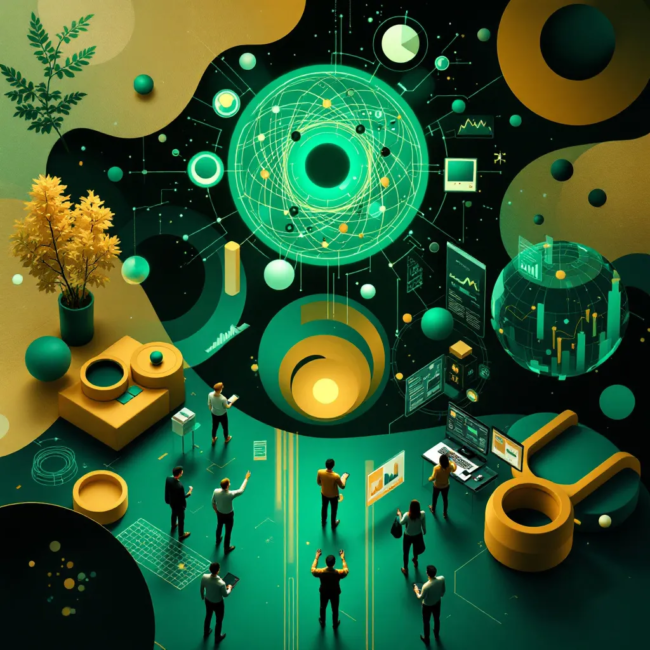
Imagine visiting a website so intuitive it feels like it already knows what you need before you even say a word. The colors, the layout, the content—all perfectly aligned with your preferences, desires, and even your mood. It might sound like something plucked from science fiction, but this is rapidly becoming the new normal in website design. The future of web development is evolving beyond just aesthetics or functionality; it’s becoming minimal, smart, and—dare we say—slightly psychic.
From Overload to Elegance: The Rise of Minimalism
Remember the early days of the internet when websites were bursting at the seams with animated GIFs, flashing banners, and walls of text? Those days are fading fast. Today, minimalism isn’t just a trend—it’s a movement towards clarity and purpose. In the near future, website design will strip away unnecessary elements, focusing on delivering precisely what the user needs, no more and no less.
This shift is about more than just aesthetics. Minimalist website design leads to faster loading times, more accessible navigation, and a better user experience overall. But how does this connect with services like seo and ppc advertising? It all comes down to user engagement and conversion. A clean, focused site makes it easier for search engines to understand your content, boosting your SEO rankings. Simultaneously, PPC campaigns can drive traffic to landing pages specifically designed with laser-focused messaging, ensuring that visitors who click through have a seamless journey toward conversion.
Minimalism Meets E-commerce Design
In eCommerce design, minimalism is proving particularly effective. Online shoppers want quick access to what they’re looking for without getting lost in clutter. Fewer distractions mean higher conversion rates. Commerce sites optimized with minimal design principles integrate smart recommendations and streamlined checkout processes that reduce cart abandonment. These characteristics are a boon for businesses leveraging social media marketing to direct potential customers from feed to purchase with ease.
Smart Websites: The Power of ai services
The real magic of next-generation website design lies in intelligence—powered by AI services that learn from user behavior and adapt in real time. Imagine a website that remembers your last visit, suggests relevant products or articles, or even customizes content based on your browsing patterns and preferences.
Artificial intelligence is no longer just a buzzword; it’s a practical tool transforming how brands connect with customers. Smart websites harness AI to deliver personalized experiences that drive higher engagement and trust. For instance, combining AI-driven chatbots with ORM (online reputation management) tools allows companies to respond instantly to customer inquiries and proactively manage reviews and feedback, reinforcing brand credibility.
SEO and AI: A Match Made in Digital Heaven
SEO is evolving quickly, and AI is at the forefront of this transformation. Smart websites utilize AI to optimize content dynamically based on trending keywords, user intent, and competitor activity. This agility means better search rankings without the slow, manual grind of traditional SEO efforts. When paired with targeted PPC advertising, these websites can continuously tune their messaging to maximize ROI.
Slightly Psychic: Predictive Design for Anticipating User Needs
What if your website could predict what your visitors want before they even know it themselves? This is the essence of predictive design, a cutting-edge approach blending data analytics, behavioral insights, and AI. Slightly psychic websites anticipate user needs by analyzing vast amounts of data in real time, from transaction histories to onsite clicks, to forecast what a user is likely to do next.
Imagine an eCommerce site that not only displays recommended products based on past purchases but also adjusts promotions and content dynamically to reflect emerging trends and mood shifts. Or consider a social media marketing dashboard that intuitively understands a brand’s evolving voice and audience preferences, suggesting new campaign ideas before stagnation sets in.
The Customer Journey Gets Smarter
By making websites “psychic,” businesses create seamless customer journeys that reduce friction and surprise users in delightful ways. This holistic approach complements traditional marketing strategies, such as SEO and PPC advertising, by ensuring visitors engage more deeply and convert more reliably. Online reputation management also benefits, as anticipating customer concerns helps brands address potential issues proactively.
Integration is Key: Marrying Design with Comprehensive Digital Strategies
Minimalism and intelligence alone won’t carry a brand into the future without integration into a broader digital ecosystem. Website design must work hand-in-hand with SEO, PPC advertising, social media marketing, and ORM to build cohesive experiences that resonate.
Picture a brand launching a new product. The website’s minimalist design offers clear visuals and quick navigation. Behind the scenes, AI services dynamically customize content based on user profiles collected via social media marketing efforts. PPC advertising drives highly targeted traffic, while SEO ensures organic discovery over time. Meanwhile, an ORM strategy monitors brand sentiment, quickly addressing any concerns.
That’s the future: seamless, smart, and slightly psychic experiences that don’t just meet expectations—they anticipate and exceed them.
Preparing Your Website for Tomorrow
So, how can businesses start embracing this future today? Here are a few practical steps:
- Prioritize minimalism: Conduct a website audit to remove clutter, simplify navigation, and focus on essential messaging.
- Leverage AI services: Integrate tools like chatbots, recommendation engines, and dynamic content personalization to make your site smarter.
- Invest in predictive analytics: Use data to anticipate customer needs and tailor user journeys accordingly.
- Integrate SEO and PPC: Combine organic and paid strategies that speak consistently with your website’s design and content.
- Coordinate with social media marketing: Use social channels to gather insights and engage audiences, feeding data back to improve your site.
- Enhance ORM efforts: Monitor and respond proactively to maintain a positive online reputation.
- Optimize eCommerce design: Focus on user-centric, simple layouts that reduce friction and boost conversions.
Conclusion
The future of website design is an elegant fusion of minimalism, intelligent automation, and predictive capabilities. It’s about creating digital experiences that are clean yet deeply personal; simple yet astonishingly smart. Brands that embrace this approach will not only delight their users but also outpace competitors by delivering emotionally resonant, highly efficient, and almost psychic customer journeys.
Whether you’re redesigning your website, launching a new eCommerce platform, or refining your digital marketing strategy with SEO, PPC advertising, and social media marketing, the key is alignment. When design, technology, and marketing unite, the result is a website that doesn’t just exist—it anticipates, connects, and inspires.
Businesses investing in ecommerce website development strategies are gaining a strong competitive advantage in modern digital markets.
Ready to Grow Your Business Online?
If you want to scale your business using modern digital strategies,
visit DigiWhoop.
Our team specializes in SEO, PPC advertising,
AI-powered marketing, and high-converting website development.
If you are serious about growing your digital presence,
book a consultation with our team today.